
6 Signs Your Posture Affects Your Health
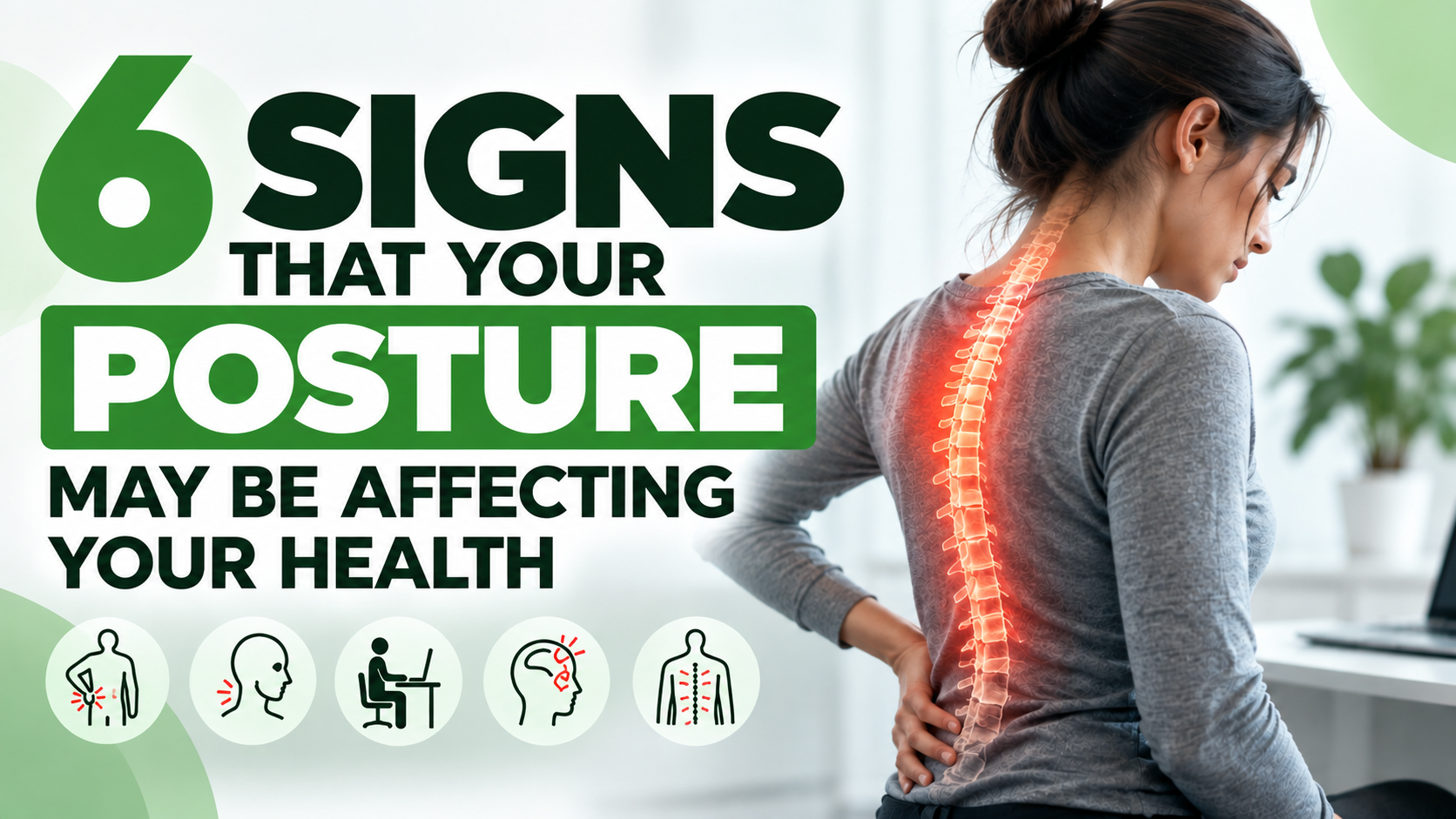
What is Poor Posture?
Posture refers to the way you hold your body when standing, sitting, or lying down. Good posture aligns your bones and joints correctly. It also helps your muscles, ligaments, and organs work as they should. Poor posture, often developed over time, can disrupt this natural alignment.
This can happen from prolonged sitting, repetitive motions, or injuries. It can lead to strain on your body. Understanding the signs is the first step to correcting it.
1.Persistent Back Pain
One of the most common indicators of poor posture is ongoing back pain. When your spine is not properly aligned, certain muscles may be overworked while others become weak. This imbalance puts undue stress on the structures of your back.
This can manifest as dull aches or sharp pains. It often worsens with prolonged sitting or standing. Addressing the root cause of this pain is crucial for long-term relief.
Common causes include:
- Slouching while sitting
- Standing with weight unevenly distributed
- Weak core muscles
- Forward head posture
An osteopath can help identify and correct the underlying postural issues contributing to your back discomfort.
2.Neck and Shoulder Pain
Your neck and shoulders are particularly vulnerable to the effects of poor posture. Habits like hunching over a desk or looking down at a phone can strain the muscles and joints in your upper body. This often leads to chronic neck pain and shoulder pain.
You might experience stiffness, reduced range of motion, or even headaches originating from the neck. These symptoms can significantly impact your daily activities and quality of life.
Treatment may include:
- Manual therapy techniques
- Postural education
- Stretching and strengthening exercises
- Ergonomic advice
Seeking professional help from an osteopath can provide relief and prevent further issues.
3.Headaches and Migraines
Believe it or not, your posture can directly contribute to headaches. When your head juts forward, it puts extra strain on the muscles at the base of your skull and in your neck. This tension can trigger cervicogenic headaches or even worsen migraines.
These headaches often feel like a constant ache or pressure around your head and neck. They can be debilitating and are frequently overlooked as a symptom of poor posture.
If you are experiencing frequent tension headaches, you might find relief through osteopathic treatment. Learn more about how osteopathy can help with tension headaches on our blog.

4.Reduced Energy Levels
Living with constant aches and pains from poor posture can be exhausting. Your body works harder to maintain balance and support itself when misaligned. This increased effort consumes more energy, leaving you feeling fatigued.
Additionally, poor posture can sometimes affect breathing. Shallow breathing due to a compressed chest can reduce oxygen intake, leading to lower energy levels. Improving your posture can help your body function more efficiently.
5.Digestive Issues
The impact of posture extends beyond your musculoskeletal system. Slouching compresses your abdominal organs, including your stomach and intestines. This compression can interfere with normal digestive processes.
It may lead to issues like indigestion, heartburn, or constipation. While not always the primary cause, poor posture can exacerbate these digestive complaints. A holistic approach to your health, considering posture, is often beneficial.

6.Mood and Confidence
Your posture can even influence your mood and how you perceive yourself. Standing or sitting tall can make you feel more confident and assertive. Conversely, slouching can contribute to feelings of low mood or self-consciousness.
The physical discomfort associated with poor posture can also negatively impact your mental state. Addressing both the physical and psychological effects is important for overall well-being. Consider visiting an osteopath in Brampton to discuss how your posture might be affecting you.
Book Your Assessment Today
If you recognize any of these signs in yourself, it may be time to assess your posture. Poor posture can lead to a variety of health issues, from chronic pain to reduced energy. Our experienced osteopaths are here to help.
We offer personalized assessments and treatments to address your specific needs. Let us help you stand taller and feel better.
Frequently Asked Questions
What is considered good posture?
Good posture means your body is aligned properly when standing or sitting. Your ears, shoulders, hips, knees, and ankles should form a straight vertical line when viewed from the side. Your spine should have its natural curves, not exaggerated ones.
How can an osteopath help with posture?
An osteopath uses hands-on techniques to diagnose and treat musculoskeletal issues. They can identify areas of tension or imbalance contributing to poor posture. Treatment aims to restore proper joint movement, improve muscle function, and provide guidance on posture correction.
Is back pain always caused by poor posture?
No, back pain can have many causes, including injuries, disc problems, or underlying medical conditions. However, poor posture is a very common contributing factor. An osteopath can help determine if posture is playing a role in your back pain.
How long does it take to improve posture?
Improving posture is a gradual process. It requires consistent effort and often professional guidance. While you may feel some relief relatively quickly, significant and lasting changes can take several weeks to months of dedicated practice and treatment.
Can I fix my posture on my own?
You can make some improvements on your own through conscious effort, regular stretching, and strengthening exercises. However, professional assessment from an osteopath is highly recommended to identify the specific causes of your poor posture and receive targeted treatment and advice.
Ready to Improve Your Posture?
Don't let poor posture affect your health any longer. Book an assessment with our skilled osteopaths today.